
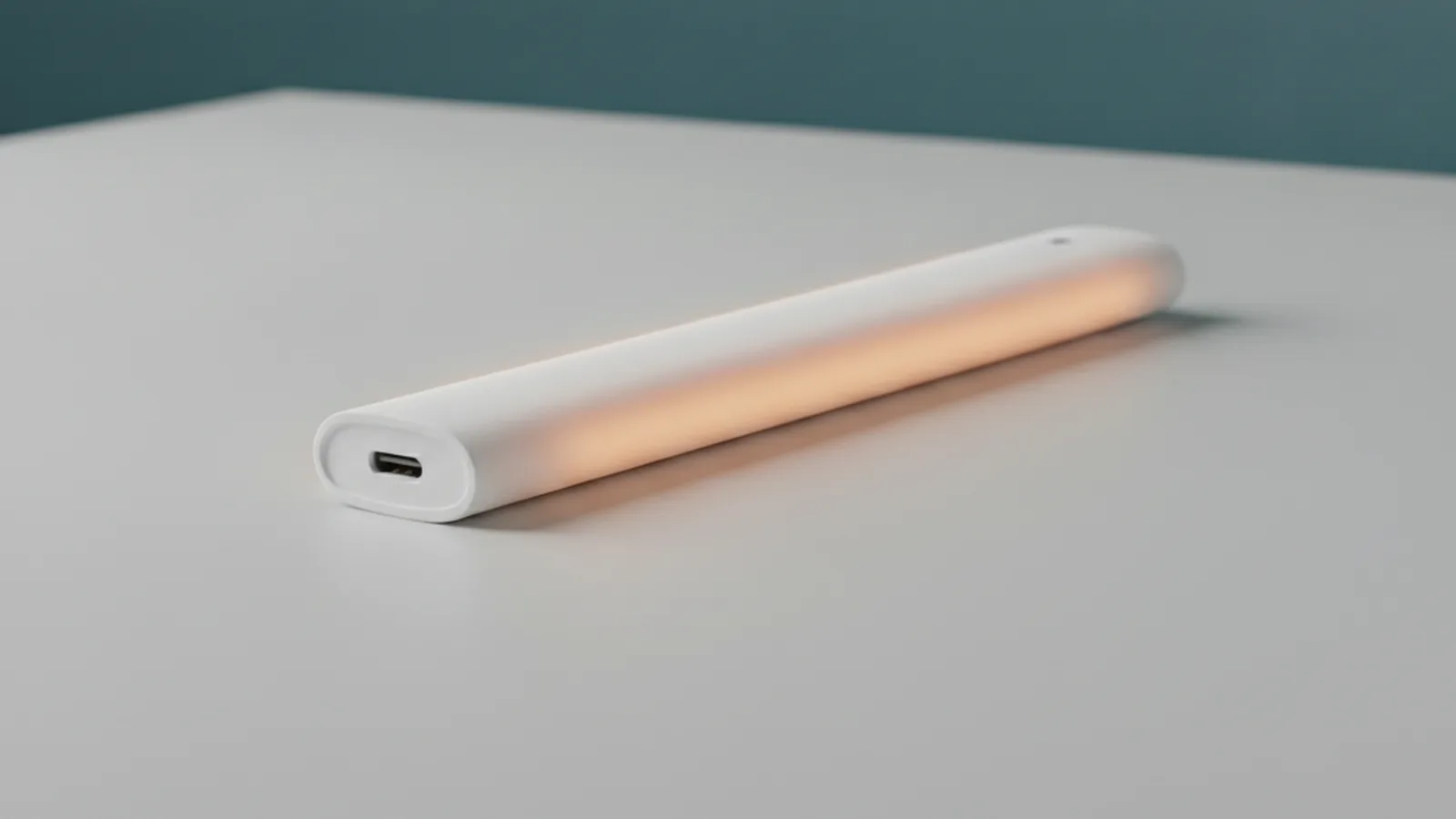
Battery Blinds and Summer Heat: Why They Drain Faster
We’ve had a run of the same question this summer, usually from customers with a beautiful glazed room and a set of motorised blinds. “The batteries seem to be going flat far quicker than they used to. Have I done something wrong? Are they on the way out?”
Almost always, the answer is: no, you’ve done nothing wrong, and no, they’re not on the way out. What you’re seeing is heat. Many of our low-voltage motorised blinds run on rechargeable lithium-ion battery packs, and lithium-ion behaves differently when it’s warm. After the fortnight of heat some Scottish rooms have just had, we thought it was worth setting out exactly what’s going on, because the truth is genuinely reassuring, and it points to a better long-term answer for anyone building or renovating.
Why a warm battery needs charging more often
Two things happen to a lithium-ion battery as the temperature climbs, and both mean you reach for the charger sooner.
First, a warm battery leaks charge faster while it’s just sitting there. This is called self-discharge, and it’s completely normal in every battery. What surprises people is how sensitive it is to heat: battery scientists find the self-discharge rate roughly doubles for every 10°C rise in temperature. So a pack that comfortably held its charge through a mild spring can quietly run down over a few weeks in a room that’s sitting at 30°C or more all afternoon.
Second, a battery that is charged while it’s hot accepts slightly less charge than the same battery charged cool. Manufacturer testing shows a cell topped up at around 45 to 50°C ends up holding a few percent less than one charged at a normal room temperature. Not a fault, just physics: the pack fills up a little shy of full, and then discharges a little faster, so the interval between charges shrinks.
Put those together and a battery blind in a sweltering conservatory or a south-facing roof lantern can genuinely need charging noticeably more often in a heatwave than it did in April. Nothing is broken.
The good news: it recovers
Here’s the part that matters most if you’re worried you’ve damaged something.
The “needs charging more often” effect is temporary. It’s tied to how hot the battery is right now. Once the room cools back to normal, the pack goes back to holding its charge the way it always did. You don’t have to do anything, replace anything, or “recondition” anything. The runtime comes back on its own.
So if your blinds have been thirsty through the hot spell, that isn’t a slow death. It’s the battery responding to its surroundings, and it reverses as the weather does.
The 50% myth: lithium-ion has no “memory”
A lot of people ask us a very specific version of this worry: “If I keep charging it half-empty in this heat, will it develop a memory and only ever charge to 50% from now on?”
It’s a fair question, because that used to be true, of a different kind of battery. The old rechargeable batteries in cordless phones and early power tools, nickel-cadmium and nickel-metal-hydride, really did suffer a “memory effect”. Charge them from half-full often enough and they’d stubbornly forget the rest of their capacity. That’s where the folklore comes from, and it’s why an older generation was told to always run batteries flat before recharging.
Lithium-ion does not do this. The battery chemistry in modern motorised blinds has no memory effect of that kind. It will not lock itself to 50%, and it does not need to be run flat now and then to stay healthy. In fact the opposite is true: lithium-ion is happiest topped up little and often rather than run to empty. So charging your blinds more frequently in hot weather does them no harm at all. Charge them whenever it suits you.
The trade-off worth knowing, and why we recommend hardwiring
There is one more thing worth knowing, and it’s the reason we lean towards hardwiring for the hottest rooms.
While the day-to-day drain recovers, there is a separate, slower effect that does not. Any lithium-ion battery ages a little faster the longer it spends hot. Kept cool, a good pack loses a small amount of its total capacity each year; kept hot for months on end, and especially if it’s held full while it’s hot, it loses that capacity noticeably quicker, and that part doesn’t come back when things cool down. It’s the same reason nobody sensible leaves a phone or a power tool battery baking on a sunny windowsill all summer.
It’s a slow effect, not a dramatic one, and it won’t ruin a battery over one warm fortnight. But over years, in a room that gets very hot every summer, it’s a real factor in how long a battery pack lasts. This is exactly why we’ve long had a firm rule that battery packs must never be placed in direct sunlight, and it’s why, for the hottest rooms, we increasingly steer customers away from batteries altogether.
The cleanest solution is to remove the battery from the equation entirely. We recommend hardwiring wherever it’s practical. A hardwired blind runs off a small low-voltage supply, so there’s no pack to charge, nothing to run flat in a heatwave, and nothing sitting hot and slowly ageing behind your glazing. You operate the blind and forget about it.
Building or renovating? Get us in early
If your home is being built, extended or having a garden room added, this is the ideal moment, and it costs almost nothing to design in.
Bring us in before the plasterboard goes on and we’ll talk directly to your electrician or architect: exactly where the cable should run, what type of cable, and where it needs to terminate for each motorised blind or roof lantern. Getting that first-fix wiring in the right place is a five-minute conversation at the right stage and an expensive retrofit at the wrong one. We do this constantly and we’re happy to mark it up on a drawing.
And if your house is already finished? Hardwiring is still very much on the table. We have discreet ways to route a low-voltage supply to motorised blinds in a completed room without tearing the place apart, and we’ll tell you whether hardwiring or a battery is the sensible choice for your particular window. Sometimes a battery genuinely is the right call. In a room that turns into a greenhouse every July, it usually isn’t.
What to do with your battery blinds this summer
- Charge them more often without a second thought. More frequent charging in hot weather is normal and does no harm.
- Don’t run them flat to “recondition” them. Lithium-ion has no memory effect and prefers little-and-often top-ups.
- Keep packs out of direct sun and, ideally, out of the very hottest spots. Cooler is kinder to a battery’s long-term life.
- Expect normal service to return as the room cools. The faster drain is temporary.
- If a room overheats every summer, ask us about hardwiring. It removes the charging chore and the slow heat-ageing in one go.
While you’re thinking about heat in glazed rooms, our companion piece on why glazed rooms overheat explains the ventilation side of the same problem, and our guide to external versus internal shading covers how to stop the heat before it ever reaches the glass.
Ready to make your glazed room easier to live with?
Whether you’re planning a new build, upgrading an existing room, or simply want your motorised blinds to be less of a chore, we’re glad to give you clear advice, with no pressure and no hard sell. As long-standing members of the BBSA, we’ve spent nearly four decades shading Scotland’s trickiest rooms.
Request a brochure or arrange a consultation at our Edinburgh or Dundee Design Studios, and let’s find the right answer for your windows.
Frequently asked questions
Why do my battery-powered blinds need charging more often in hot weather? Heat makes a lithium-ion battery lose charge faster while idle, and a battery charged when hot holds slightly less. Both mean you reach the charger sooner. The effect is temporary and reverses once the room cools down.
Does heat permanently damage the battery in my motorised blinds? Day-to-day faster draining recovers when the battery cools, so a single warm spell won’t harm it. However, a battery that spends months at high temperature does age a little faster over time, which is why we advise keeping packs cool and out of direct sun.
Do lithium-ion blind batteries have a memory effect that caps them at 50%? No. The memory effect belonged to old nickel-cadmium and nickel-metal-hydride batteries. Lithium-ion has no memory effect, will not lock itself to a lower capacity, and does not need to be run flat to stay healthy.
Should I let my blind battery run flat before recharging it? No. Lithium-ion prefers frequent small top-ups to being run to empty. Charge your blinds whenever it suits you, especially in hot weather.
Is hardwiring better than a battery for motorised blinds? For rooms that get very hot, usually yes. Hardwiring removes the battery entirely, so there’s nothing to recharge and nothing to age in the heat. We recommend it wherever it’s practical and can advise on your specific windows.
Can you hardwire blinds in a house that’s already been built? Yes. We have discreet methods to route a low-voltage supply to motorised blinds in a finished room. If you’re building or renovating, involving us early lets us brief your electrician on the exact cable route and type.
Inspired by what you've read?
Request a brochure or arrange a no obligation consultation.