
Light Control Explained
Blackout vs room darkening: what's the difference?
'Blackout' is one of the areas the British Blind and Shutter Association (BBSA) says it gets a lot of complaints about, usually because a blind sold as blackout still lets light in. The two terms are used interchangeably in shops and online, but they mean different things. Getting it right is the difference between a room that's pleasantly dim and one that's as dark as the window allows. The secret isn't the fabric. It's the edges.
The Short Answer
Two words, two very different results
Room darkening reduces the light in a room. Blackout, strictly, means none at all, which very few fitted products achieve. Both start with a fabric that light struggles to pass through, but how the blind is fitted decides how much light sneaks in around the sides and top, and that's where most of the light in a room actually comes from.
This matters because manufacturers often print the word blackout on a roll of fabric. That describes the material, not the finished result in your window. Fit the same fabric badly and light pours in around the edges. Fit it properly, made to the exact size of the window in side channels, and far less light gets round it.
Room darkening
- Significantly reduces incoming light
- Room feels dim and restful, never pitch black
- Some light bleed at the edges is normal
- Ideal for most bedrooms, media rooms, and nurseries where pretty dark is enough
- The realistic result on shaped, gable, and angled windows
Side-channel blind
- The lowest light level a blind can give
- Light stopped through the fabric and cut right down at the edges
- Needs side channels and a head cassette, not just dark fabric
- Best for light sleepers, shift workers, and children who wake at sunrise
- Only possible on flat, rectangular windows, and a thin line of light can still show
The Real Problem
Light comes in around the blind, not through it
Stand in a bedroom on a bright morning with the blind down and look at where the light is. It's almost never coming through the fabric. It's running down the sides, across the top, and pooling on the sill. A free-hanging roller blind always leaves a gap at each edge, and even a small gap acts like a slot of daylight and lifts the whole room.
This is why the fabric label can be misleading. A blackout fabric with daylight down each side isn't a blackout blind. It's a room darkening blind with an unhelpful gap. Cutting that light down is a question of how the blind is measured and fitted, not what the roll of fabric is called.
Getting It Darker
What the darkest blind takes
For a flat, rectangular window, the darkest blind comes from three things working together. First, a blackout fabric that light can't pass through. Second, side channels that the blind runs inside, so far less light gets past the edges. Third, a head cassette that covers the top of the window where light would otherwise spill over.
Made to the exact size of your window and fitted by our own team, this combination cuts down the slots of daylight that let an ordinary blackout blind down. It's the difference between a room you can nap in and one that copes far better with a Scottish summer morning, when it's light well before half past four. It still isn't a sealed box, and we'll show you where a little light may reach the room before you order.
We make and fit blinds like this for bedrooms across Dundee, Fife, Perthshire, and Edinburgh. If the darkest bedroom you can get is the goal, see our side-channel blinds in blackout fabric, measured and fitted.
Shaped and Gable Windows
Room darkening, not blackout
Angled, gable and apex windows are a special case. Because the edges are on a slope, they can't run in side channels the way a straight-sided window can. That means shaped windows are room darkening rather than blackout, and there will always be some light at the angled edges.
The good news is how tight our shaped cellular blinds are. They leave much smaller light gaps at the edges than a standard roller blind. For a bedroom under a gable, that's the difference between a room that's restful and one that never settles. It's good room darkening, and for most rooms it's enough. If you have a shaped window, our gable and shaped window blinds page explains the options.
Good, Better, Best
How the options compare
No blind, shutter or frame makes a room completely dark. What changes from one option to the next is how much light gets round the edges.
- Good: louvred shutters or Venetian blinds. Closed louvres or slats reduce the ambient light level, but light passes between them, because they need gaps to move.
- Better: a free-hanging roller, Roman, pleated or honeycomb blind with a room darkening fabric. The room is much darker, but a halo of light shows round the edges. Fitting inside the window recess darkens better than fitting to the glass.
- Best: blackout fabric held in side channels or a frame, like a side-channel roller blind or Shutter 'n Shade, louvred or solid panel. Far less light gets round the edges, though a thin line can still show.
There's a British Standard for this. BS EN 14500 is the test, and BS EN 14501 gives the result two parts: a number for the fabric itself, and a letter for how the blind is made and fitted. A blind that hangs free in front of a window reaches class E at best, the bottom of the A to E scale, however good its fabric, because light gets round the edges. So when you see 'blackout' on a fabric, it tells you about the material, not the room.
At the design visit we'll ask what the room needs (sleep, glare, privacy, or a home cinema), explain the fabric and the fitting separately, and show you where a little light may still reach the room before you order.
Which Do You Need?
A simple way to decide
Start by asking what the room needs: sleep, glare, privacy, or a specialist room like a home cinema. Most living spaces, and many bedrooms, are perfectly comfortable with room darkening. It takes the glare off screens, keeps the sun off furniture, and dims the room for sleep without the extra cost and hardware of side channels.
Choose side channels when darkness really matters: a light sleeper, a shift worker sleeping through the day, a home cinema, or a child's room where an early sunrise means an early start for the whole house. On a flat window, a side-channel blind gets you as dark as a blind can. On a shaped window, aim for the best room darkening available and set expectations accordingly.
Common questions about blackout and room darkening
What is the difference between blackout and room darkening?
Blackout means no light at all. Room darkening means a big drop in the light level, with some light still reaching the room, usually round the edges. A fabric can be labelled blackout, which means light doesn't pass through the material, but if light leaks around the sides and top of the blind, the room won't go properly dark. Very few fitted window products get to true blackout, which is why we say room darkening.
Is a shop-bought blackout blind actually blackout?
No. Most off-the-shelf blackout blinds use a blackout fabric but leave a gap around the edges where light leaks in. A blackout fabric doesn't make a blackout blind. The edges and top matter more than the fabric, and even with side channels and a cassette, a little light can still get in.
Can any blind make a room 100% dark?
No. A made-to-measure blind in side channels with a head cassette, on a flat rectangular window, cuts edge light far more than a free-hanging blind. It's the darkest blind option we offer, though a little light can still get in. On shaped, gable or angled windows there's always some light at the edges, so these give room darkening rather than blackout.
Do I need blackout or room darkening for a bedroom?
It depends on how sensitive a sleeper you are. For many people room darkening is more than enough for comfortable sleep. If you work shifts, wake at first light, or have a young child who needs to sleep past a Scottish summer sunrise, a side-channel blind is worth specifying, because it's designed to cut light leakage at the edges. We help you decide during a home consultation, and we'll show you what each option will and won't do.
Can shaped or gable windows be made blackout?
No. Shaped and gable windows are room darkening rather than blackout. Our shaped cellular blinds leave much smaller light gaps at the edges than a standard roller blind, but there will still be some light at the angled edges, which is a characteristic of every shaped blind system.
Does the fabric alone make a blind blackout?
No. The fabric decides how much light passes through the material itself, but most light in a poorly fitted blind comes in around the edges. The darkest result comes from combining an opaque fabric with a proper fit, side channels and a head cassette, all made to the exact size of your window. Even then, a little light can still find its way in.
Related guides
Go deeper on light control
- Do shutters block out light? How much light closed louvres actually cut, and what to pair shutters with when you want the room darker.
- Are shutters blackout? A clear answer on the room darkening a shutter can and can't deliver.
- Gable and shaped window blinds Room darkening for angled and apex windows, with the tightest light gaps available.
Next Step
Not sure which you need?
Every room is different, and so is every sleeper. Tell us how the room is used and how dark you need it, and we'll tell you whether room darkening will do, or whether side channels are worth specifying, and show you what each will and won't do. Call us or request a callback.
What Our Customers Say
"I absolutely love the pirouettes and the shutters. There is simply no other company we would deal with."
Kim Wilkinson
"I have been really impressed with the company. The friendly nature, the speedy response to queries, the fantastic guidance from David and the advice we received during our visit to the design studio. I wish all companies were the same."
Ian Robins, Dunfermline
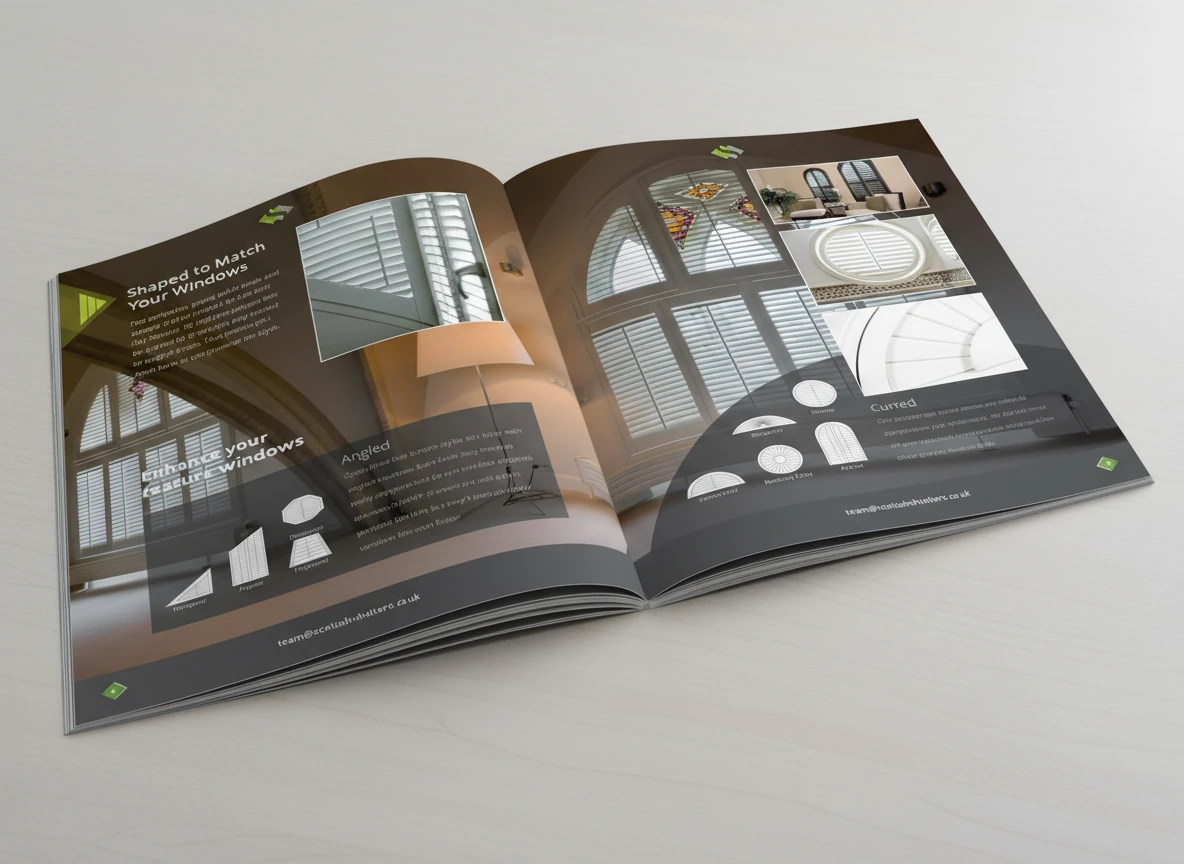
Start with our brochure
52 pages of ideas, product details, and real installations from homes across Scotland. Request your copy and take the first step.