Who Is the Person Measuring Your Windows Actually Working For?
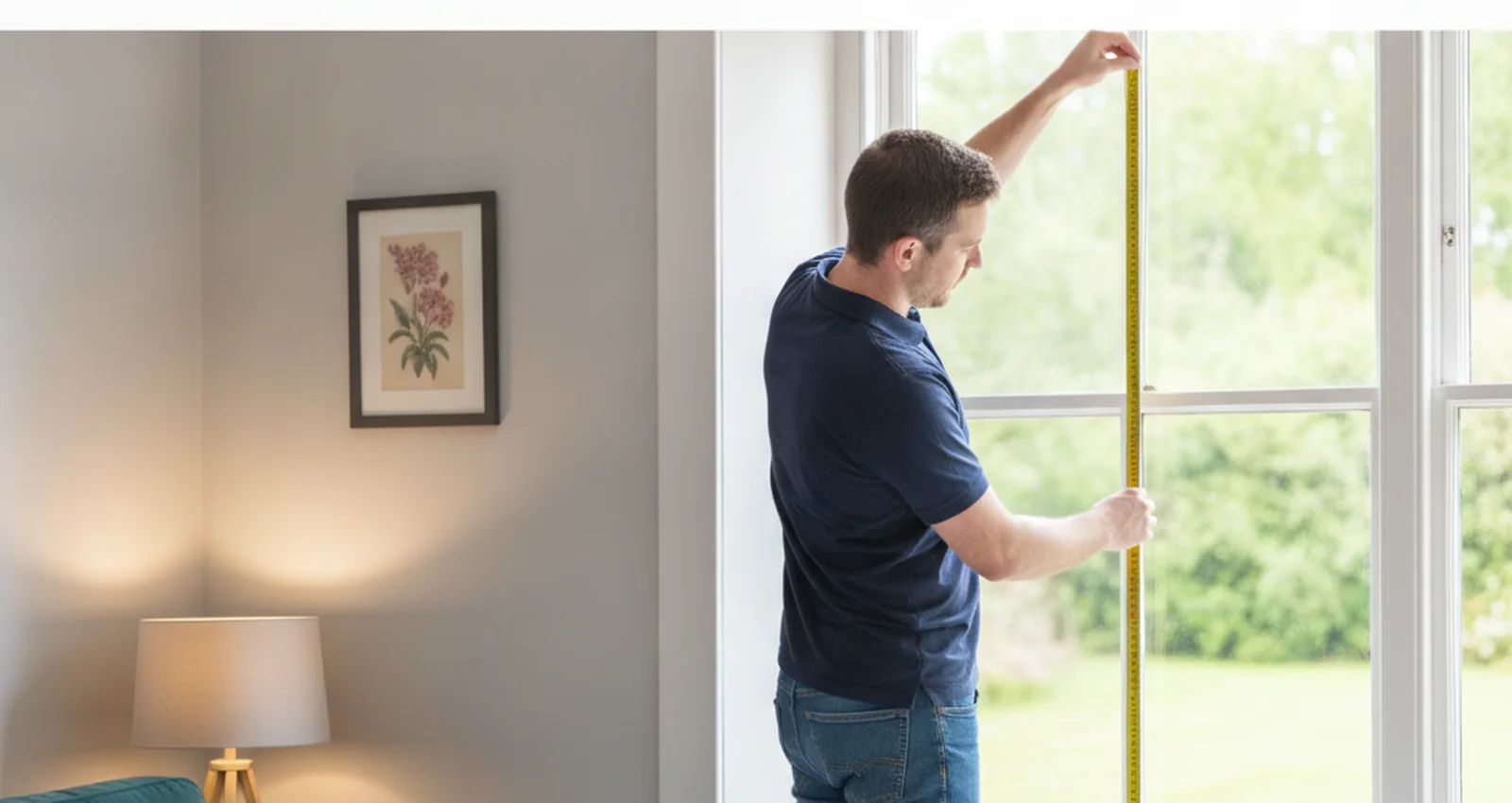
When you book a home visit from a window shading company, someone arrives at your door with a tablet, a tape measure and a folder of fabric samples. They are usually friendly, knowledgeable and helpful. But there is a question almost nobody thinks to ask, and it matters more than the price they quote.
Who does that person actually work for, and how do they get paid?
It is worth asking, because the answer is not always what you would assume. The person sitting at your kitchen table may not be employed by the brand on their polo shirt at all.
The model most of the big national brands actually use
Some of the largest window blind and shutter companies in the country do not employ the people who visit your home. Instead they run networks of self employed advisors, often more than a thousand of them, each operating a local business under the national brand’s name.
This is not a secret. It is set out plainly in those companies’ own recruitment advertising. The role is openly described as ‘working for yourself’, with earnings tied to what you sell rather than a salary.
To take it on, the advisor typically pays a joining fee, which in the biggest operations can run to several thousand pounds. That fee buys a toolkit, a branded tablet and company workwear. From then on, the advisor’s income is not a wage. It is whatever they earn from the orders they take, home visit by home visit.
In many cases that same person does everything: they advise you, they measure up, and later they return to fit the product. One individual, paid by results, handling the whole journey from first knock to final screw.
Why this matters in your living room
None of this makes those advisors bad people. Most are decent, hard working individuals doing their best. The issue is not the person. It is the structure they are working inside, and what it quietly does to the conversation you have with them.
When the individual measuring your windows is self employed and paid on commission, three things tend to follow.
First, the advice and the sales pressure come from the same mouth. The person telling you which product suits your room is also the person whose income depends on you ordering it today. That is a difficult position to put anyone in, and a difficult one to be a customer in.
Second, the incentive is to close, not to educate. A salaried expert can happily tell you a cheaper option is the right one, or that you do not need the upgrade. Someone paid by commission has every reason not to.
Third, accountability can blur. If something goes wrong months later, you may find the friendly advisor has moved on, with the national brand and the local business holding each other at arm’s length. Knowing exactly who is responsible matters when you have spent several thousand pounds on a bespoke order.
How we choose to do it differently
The Scottish Shutter Company has no salespeople. We never have, and we never will. The person who visits you is not paid a penny more for selling you the dearest product in the range. We would rather you bought the right thing once than the expensive thing twice.
The people who measure and fit your shutters and blinds are employed members of our team, on a salary, not on commission. Their job is to get your window shading right, not to hit a personal sales target before they leave your house. We think that is how it should be, and we are happy to be judged on it.
Our Technical Director is a past president of the British Blind and Shutter Association, the trade body for our industry. We have fitted shutters and blinds in homes across Scotland since 1987.
You can also see everything in person before you commit. Our Design Studios are full of working shutters and blinds, so you can operate them, compare ranges and choose colours in real light rather than from a sample on your sofa.
You can always reach a real person
One of the most common frustrations homeowners describe with the big national brands is that when something goes wrong, there is no one to talk to. People end up hunting online for a head office email or a director’s telephone number, and getting nowhere.
We do the opposite. We are open about exactly who runs this company. The co-founder and director is David Browne, and you can contact him directly. Email david@scottishshutters.co.uk, or call or text his mobile on 07938 018 212. No call centre, no contact form that vanishes into a queue. The person whose name is on the business will answer.
Are they even insured? You may struggle to find out
Here is something worth checking before anyone works in your home. When we researched the big national brands in June 2026, we could not find a single customer facing page that confirms the self employed advisor who comes to measure and fit carries public liability insurance. It is not on their service pages, not in their guarantees (which cover the product, not accidental damage to your home), and not even in their own recruitment material.
That silence is perfectly legal. Public liability insurance is not a legal requirement in the UK for self employed people. But it does leave you unable to confirm, before you let someone work in your home, whether you would be covered if something were damaged.
We take the opposite approach. The Scottish Shutter Company carries full public liability and employers’ liability insurance. A copy of our insurance confirmation is included with every quotation, and you are welcome to ask to see it before we visit.
The one question to ask any company
You do not need to take our word for any of this. Before you order from anyone, including us, simply ask:
‘Is the person who visits my home employed by you, and are they paid commission on what I order?’
A good company will answer plainly. The answer tells you almost everything about whose interests are really being served when the tape measure comes out.
Things worth checking before you buy
- Is the person who measures up employed by the company, or self employed under its brand?
- Are they paid a salary, or a commission on what you order?
- Who actually fits the product, the same person or a dedicated installer?
- Can you see the products working in person before you decide?
- Is there someone clearly accountable if a problem appears later?
- Can you confirm the person entering your home carries public liability insurance?
A little homework here protects a large purchase. Shutters and blinds are an investment you will live with for a decade or more, so it is worth knowing who is guiding the choice, and why.
Ready to talk to people who are paid to advise, not to sell?
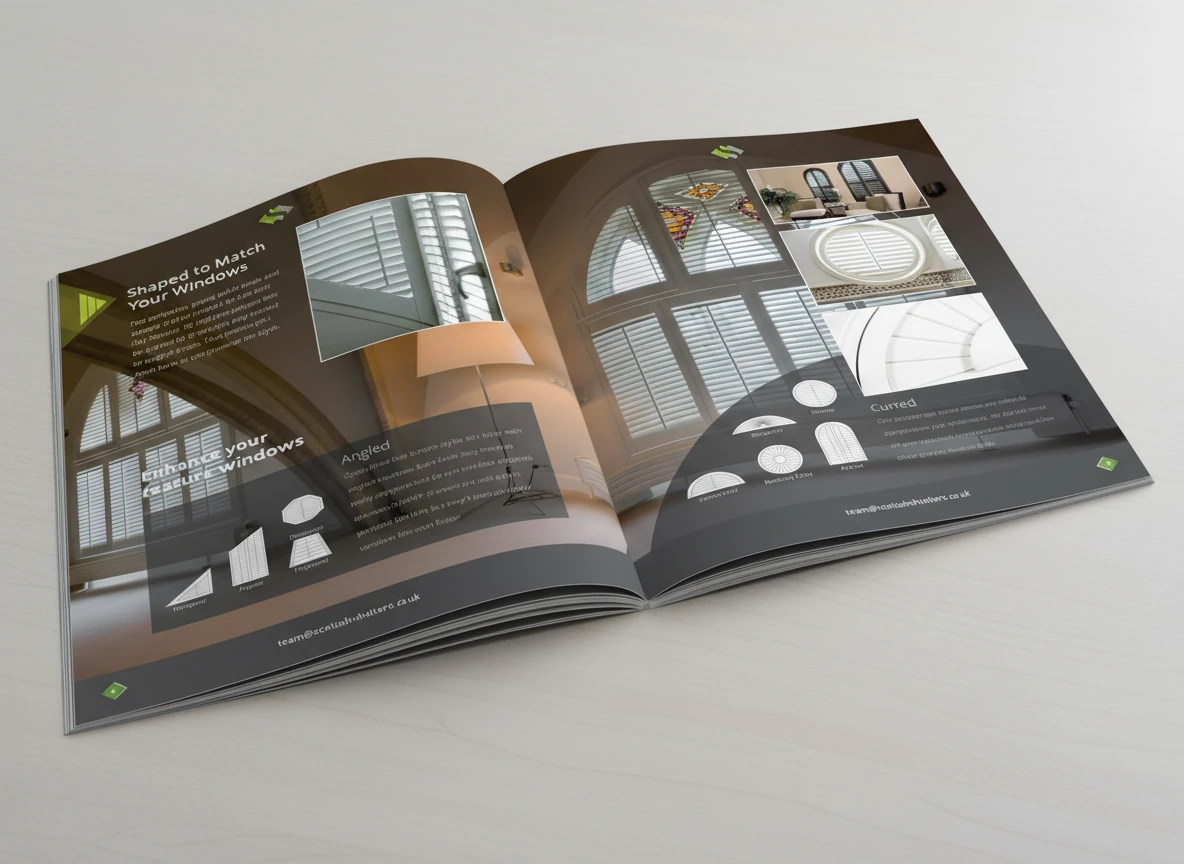
If you would like impartial guidance with no pressure, you can request a brochure or arrange a visit to one of our Design Studios. Still weighing up your options? Our guide to shutters versus blinds is a good place to start.
Frequently asked questions
Are the people who measure for national blind and shutter companies employed by them? Not always. Several of the largest national brands operate through networks of self employed advisors who run local businesses under the brand name, rather than employing the person who visits your home. Their own recruitment advertising describes the role as working for yourself with earnings based on what you sell.
What is a self employed window blind advisor? It is an individual who pays to join a national brand’s network, often covering a joining fee for a toolkit, tablet and workwear, and then earns from the orders they take rather than receiving a salary. The same person usually advises, measures and fits, and their income depends on what customers buy.
Why does it matter if a window fitter is paid on commission? Because the person advising you on which product to choose is then also the person whose income depends on you buying it. A salaried expert can recommend the cheaper or simpler option freely, whereas someone paid by commission has a built in reason to encourage you to spend more.
Does The Scottish Shutter Company use salespeople? No. We have no salespeople and never will. The people who measure and fit your order are employed members of our team on a salary, not commission, so their only job is to get your window shading right.
Are blind and shutter fitters insured? There is no legal requirement in the UK for a self employed fitter to hold public liability insurance, so it varies from company to company. When we checked the major national brands we could find no customer facing page confirming whether the person who visits your home is insured, so it is always worth asking before work begins. The Scottish Shutter Company carries full public liability and employers’ liability insurance and includes its certificate with every quotation.
Should I get more than one quote for shutters or blinds? Yes, comparing two or three companies is sensible for any large home purchase. When you do, ask each one whether the person visiting you is employed and whether they are paid commission, as that often matters more than small differences in the quoted price.
Inspired by what you've read?
Request a brochure or arrange a no obligation consultation.