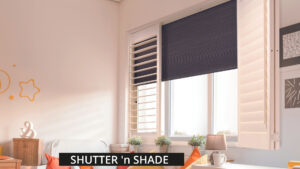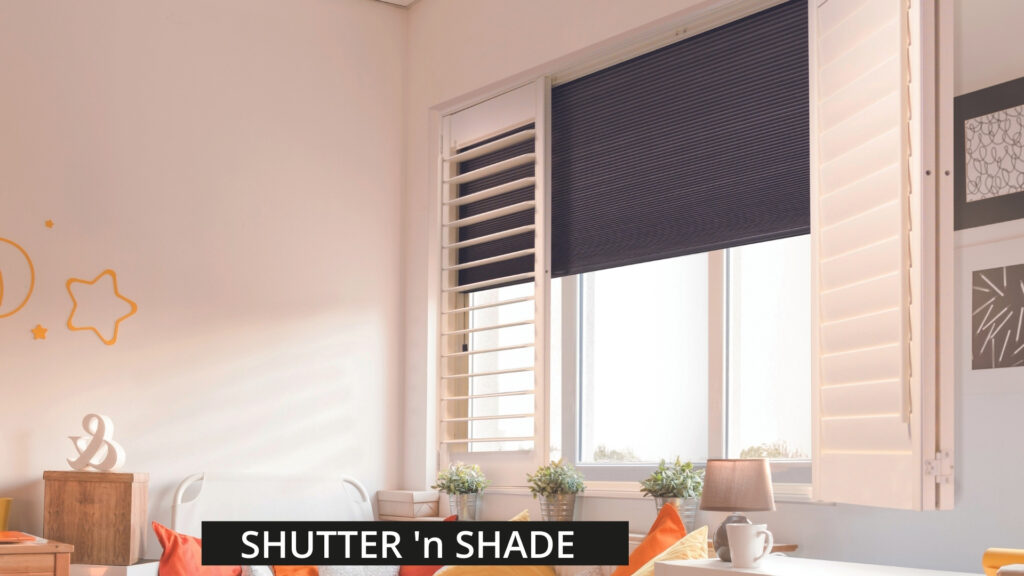
If you are looking for the best sound insulation for your windows, it is tempting to jump straight to products: shutters, blinds, thicker fabrics, room darkening, and the lot.
But here is the key point. The window itself is usually the main reason noise gets into a room, and if that part is weak, even the best window covering can only do so much.
This guide explains, in everyday language, how noise gets into a room in the first place, what matters most at the window itself, and which shutter and blind combinations are likely to perform best for acoustic comfort.
How noise gets into a room
Think of sound like water. It does not politely line up and go through the middle of the glass. It looks for the easiest route.
In most homes, noise gets in through one or more of these routes:
- Through gaps and air leaks
- Through the glass itself
- Through frames, walls, and the surrounding structure
Understanding these routes helps make better choices, and often prevents money being spent on the wrong solution first.
1) Gaps and air leaks are often the biggest issue
If air can pass through a gap, sound can usually pass through it too.
Common problem areas include:
- Tired or flattened rubber seals
- Corners where seals have shrunk
- A window that does not pull in tightly when locked
- Trickle vents
- Small gaps around trims or frame edges
This is why two homes with similar-looking windows can sound very different. One may be well sealed, while the other has small leakage paths that allow noise in.
In some cases, sound also travels indirectly through nearby junctions in the wall or ceiling, rather than coming straight through the centre of the window.
2) Noise can travel straight through the glass
Sound is a pressure wave. The easier it is to make a surface vibrate, the easier it is for sound to pass through it.
That is one reason why:
- Single glazing is often the noisiest option
- Older double glazing can vary a lot in performance
- Acoustic glazing or secondary glazing can make a significant difference
A useful rule of thumb is that heavier barriers generally block sound better than lighter ones. It is not the only factor, but it is a practical way to think about why some glazing systems perform better than others.
3) Some noise arrives through the surrounding structure
Sometimes the main issue is not the glass at all.
For example, vibration from traffic or railways can travel through parts of the building structure, and sound can also move through wall junctions, floors, ceilings, and voids.
This is one reason why a room can still feel noisier than expected even after improving the window itself. It does not mean the window treatment is ineffective, but it does mean the whole room construction matters.
Why the window itself matters before choosing shutters or blinds
Before looking at window coverings, it is worth understanding the condition of the window.
Noise reduction at a window depends heavily on:
- How well the window seals
- How tightly it closes
- Whether trickle vents are present
- The type and condition of the glazing
If a window is draughty or has obvious leakage points, sound will often bypass the covering and continue entering the room.
This is why the best results usually come from a combination of:
- A reasonably well-sealed window, and
- The right window covering for the job
How shutters and Duette blinds can help with noise
Window coverings do not replace acoustic glazing, but they can still improve how a room sounds and feels.
They mainly help in two ways:
- They add another layer at the window
- They create extra trapped air spaces
Those trapped air spaces can help with insulation and can also improve acoustic comfort. In everyday terms, the room can feel calmer and less exposed to outside noise.
Shutters for noise reduction: why solid panels usually perform better than louvres
For sound reduction, the most important shutter choice is usually not colour or louvre size. It is whether the shutter panel is solid or louvred.
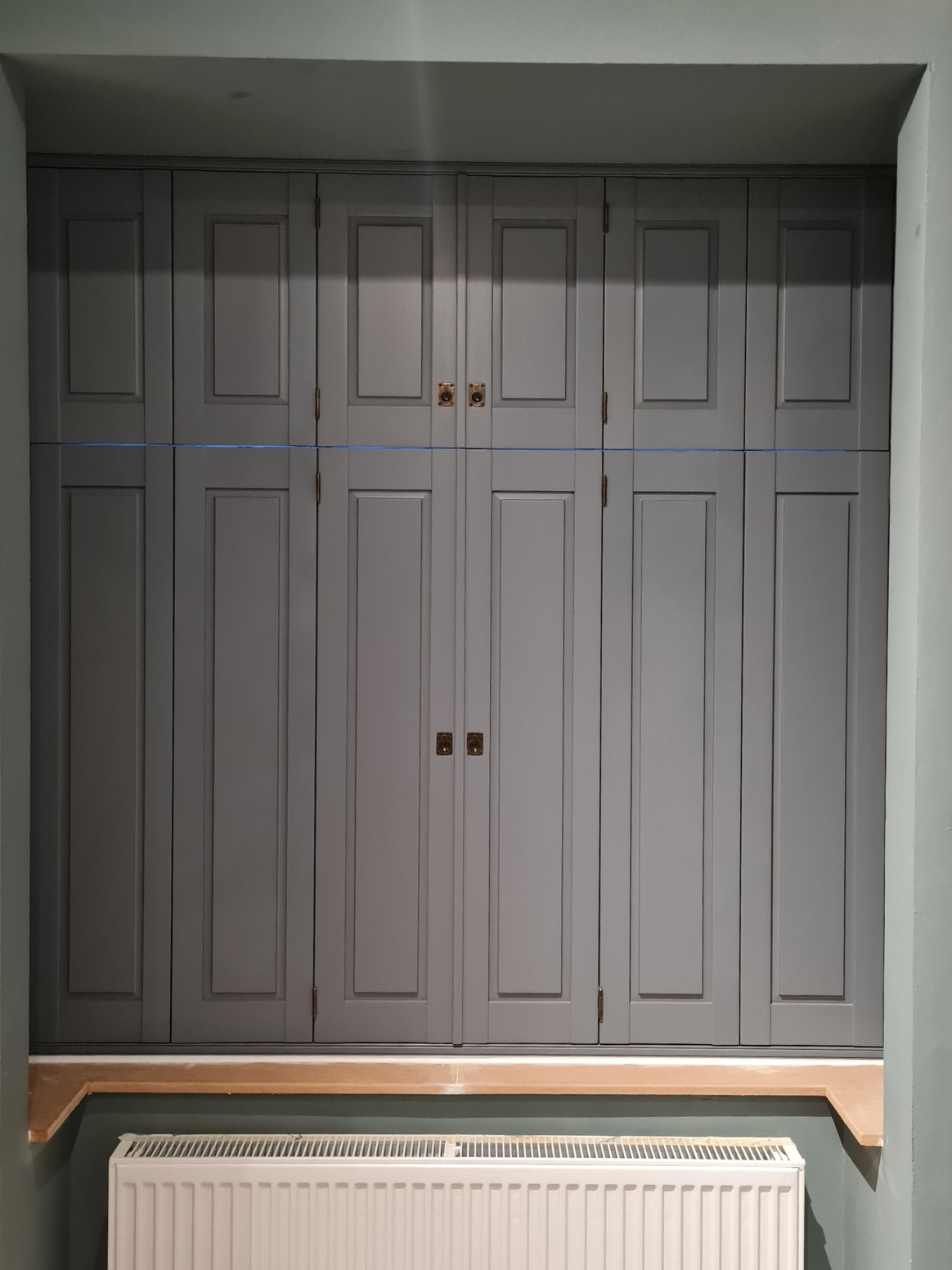
Solid shutters
Solid shutters create a more continuous barrier. Because there are fewer openings and joints, they are generally the stronger option when the priority is reducing noise.
Louvred shutters
Louvred shutters are excellent for light control and privacy, but they naturally include more joins, edges, and small routes for sound to pass through. They can still help, but they are usually not the top choice for acoustic performance.
Solid shutters in our range: S:CRAFT Fiji (painted vs stained)
For solid shutters, the relevant range is S:CRAFT Fiji.
It is also worth noting that Fiji is not one single timber in all finishes:
- Fiji stained is made from Paulownia
- Fiji painted is made from a quality hardwood mix
From a sound insulation point of view, denser materials generally have a slight advantage, so painted Fiji can have a small edge over stained Fiji for noise reduction.
That said, the biggest differences still come from:
- Solid versus louvred construction
- The overall fit and sealing of the installation
Duette cellular blinds for acoustic comfort: why Architella tends to rank highest
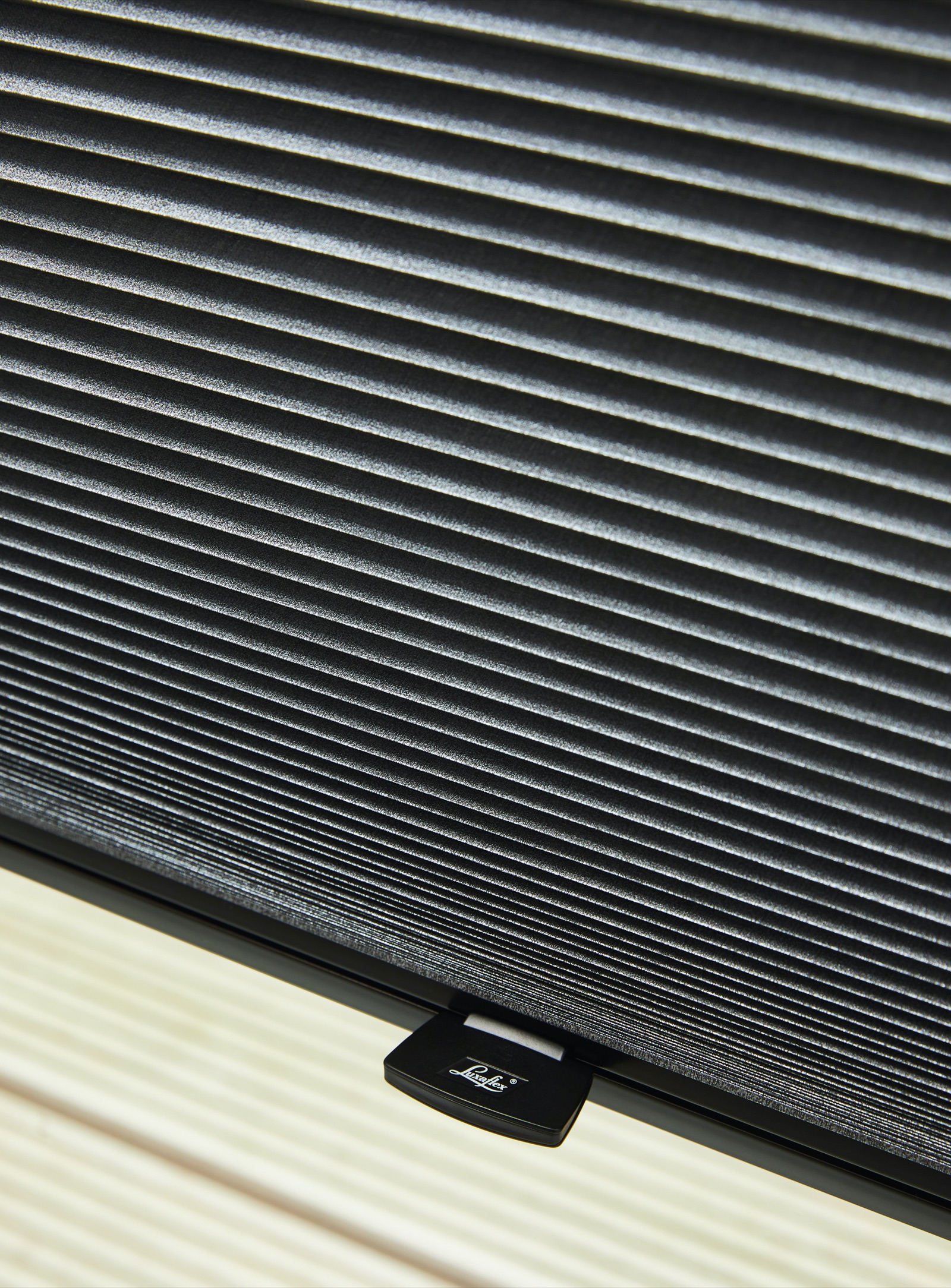
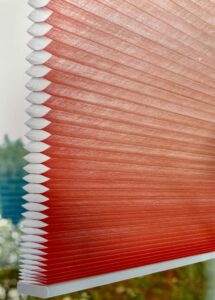
Duette cellular blinds use a honeycomb structure that creates air pockets within the blind.
Those air pockets help with thermal insulation and can also contribute to better acoustic comfort.
In simple terms:
- Architella is the higher-performance cellular construction
- Unik is still a good option, but Architella is usually the stronger choice where noise reduction is a key priority
Room darkening fabrics can also perform slightly differently from translucent fabrics, but the larger jump in performance is usually Architella versus standard cellular construction.
Ranking the options for noise reduction
Assuming the window is in reasonable condition and everything is fitted well, the following ranking is a sensible guide.
Shutters only (best to worst)
- Fiji solid painted (quality hardwoods)
- Fiji solid stained (Paulownia)
- Fiji louvred painted
- Fiji louvred stained
Duette blinds only (32 mm, best to worst)
- 32 mm Duette room darkening Architella
- 32 mm Duette translucent Architella
- 32 mm Duette Unik room darkening
- 32 mm Duette Unik translucent
Combined shutter and blind options (best-performing combinations)
- Fiji solid painted + 32 mm room darkening Architella
- Fiji solid painted + 32 mm translucent Architella
- Fiji solid stained + 32 mm room darkening Architella
- Fiji solid stained + 32 mm translucent Architella
After these, the same pattern generally continues through the Unik options, followed by combinations using louvred shutters.
The reason these combinations rank highly is simple: they create multiple layers and multiple trapped air spaces, which is exactly what helps reduce noise transmission at a window.
A realistic expectation
Shutters and Duette blinds can make a noticeable difference to comfort and help reduce certain outside sounds. However, results will always depend on the window itself and how noise is entering the room.
Where a window has air leaks, trickle vents, or basic glazing in a particularly noisy location, the greatest improvements often come from addressing those issues first, then adding shutters or blinds as the final comfort layer.
What matters most when choosing a noise-reducing window treatment
If reducing outside noise is the main goal, the strongest approach is usually:
- A well-sealed window
- An appropriate glazing solution for the location
- A high-performing covering, such as:
- Solid Fiji shutters, and/or
- Duette Architella cellular blinds
For many homes, the best window-covering combination for noise reduction is a solid Fiji shutter paired with a 32 mm Duette Architella blind, especially when the window itself is already in good condition.