
Scotland's shutter and shading specialists
Warmer. Quieter. Completely yours.
Premium window shutters, blinds, and awnings that transform how your home feels. Request our 52 page brochure and see what's possible for your windows.
Family run since 1987, with Design Studios in Dundee and Edinburgh. No salespeople, no subcontractors. Just specialists who take the time to understand what you want.
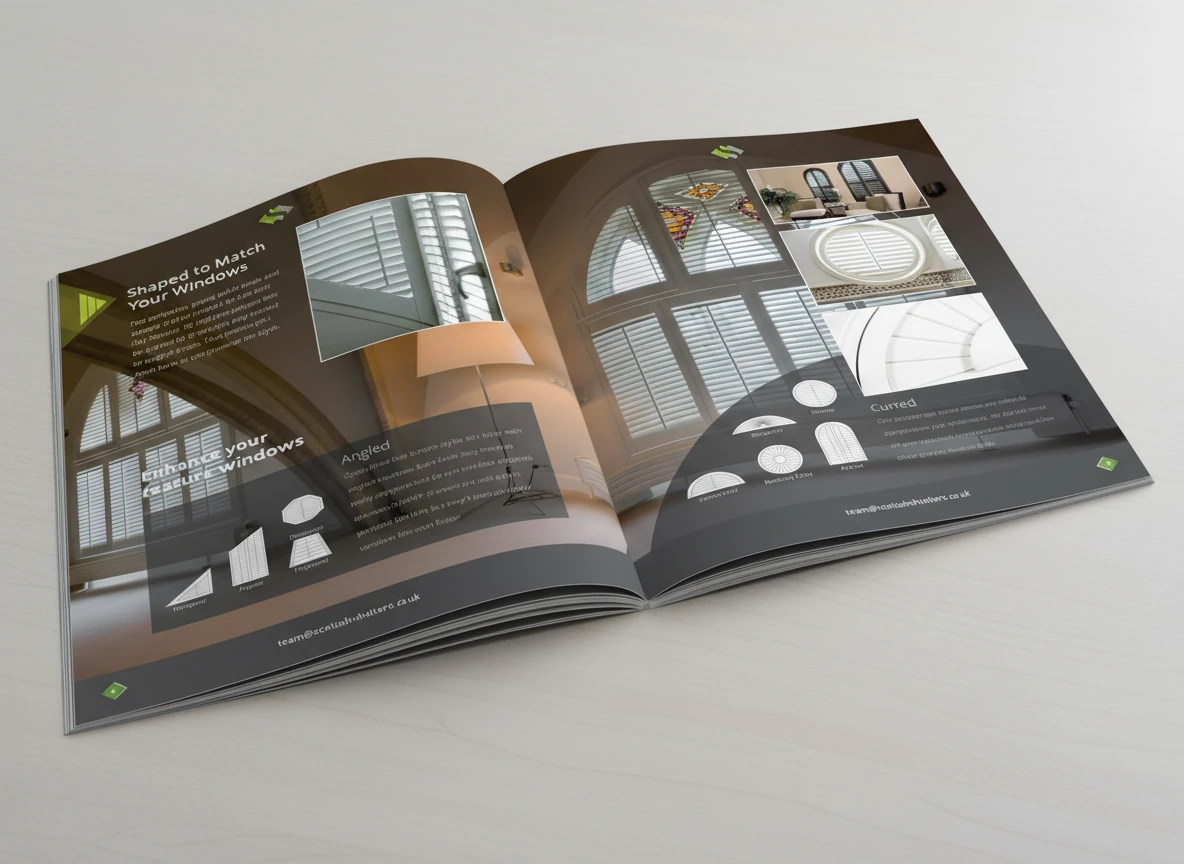
52 Pages of Inspiration
Request your copy
Our brochure is packed with ideas, product details, and real installations from homes across Scotland. See the full range of shutters, blinds, and awnings, and find the perfect solution for your windows.
Tell us a little about yourself and we will send your copy straight away. It only takes a moment.
Request Your BrochureOur Products
What we do
From interior shutters to external shading, we offer a complete range of premium window treatments. Every installation is measured, supplied, and fitted by our own team.
Window Shutters
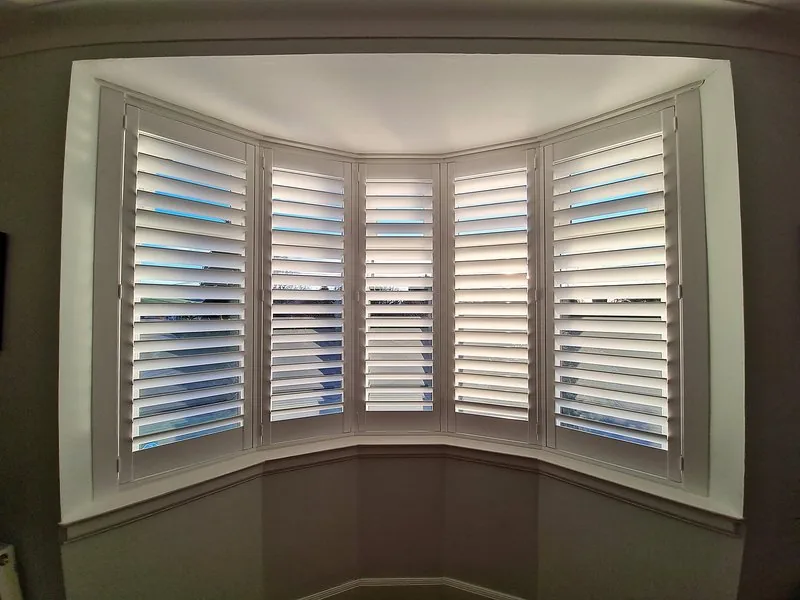
Full height, cafe style, tier on tier, and solid panel shutters. Premium timber, waterproof PVC, and aluminium. Exclusive S:Craft dealer in Scotland.
Explore shutters →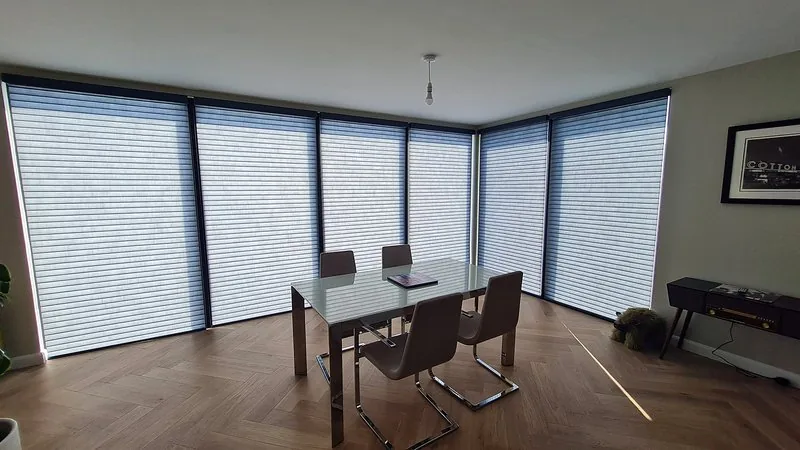
Blinds
Motorised cellular blinds for gable windows, skylights, and roof lanterns. Luxaflex roller blinds, shaped blinds, glass mounted and tension systems.
Explore blinds →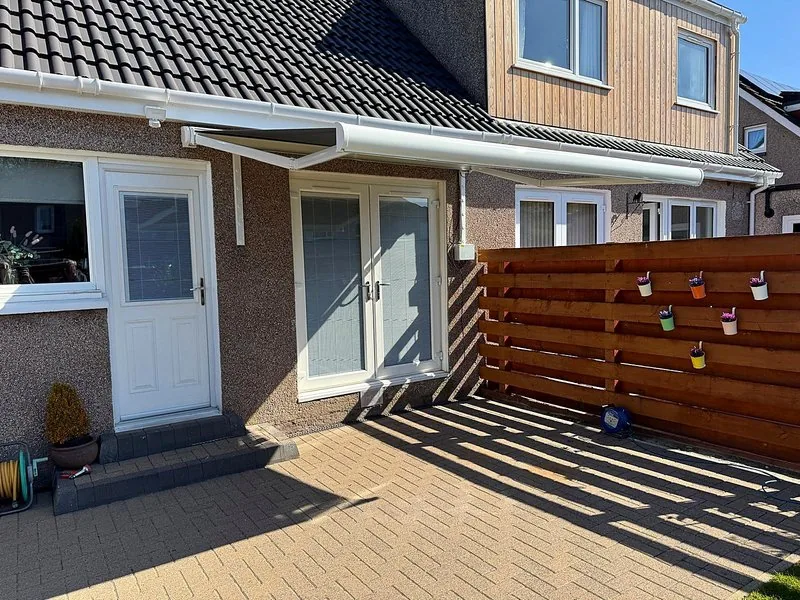
Awnings & External Shading
Full cassette folding arm awnings, external screens, and retractable insect screens. Somfy motorised with smart home integration.
Explore awnings →Our Specialism
The windows other companies walk away from
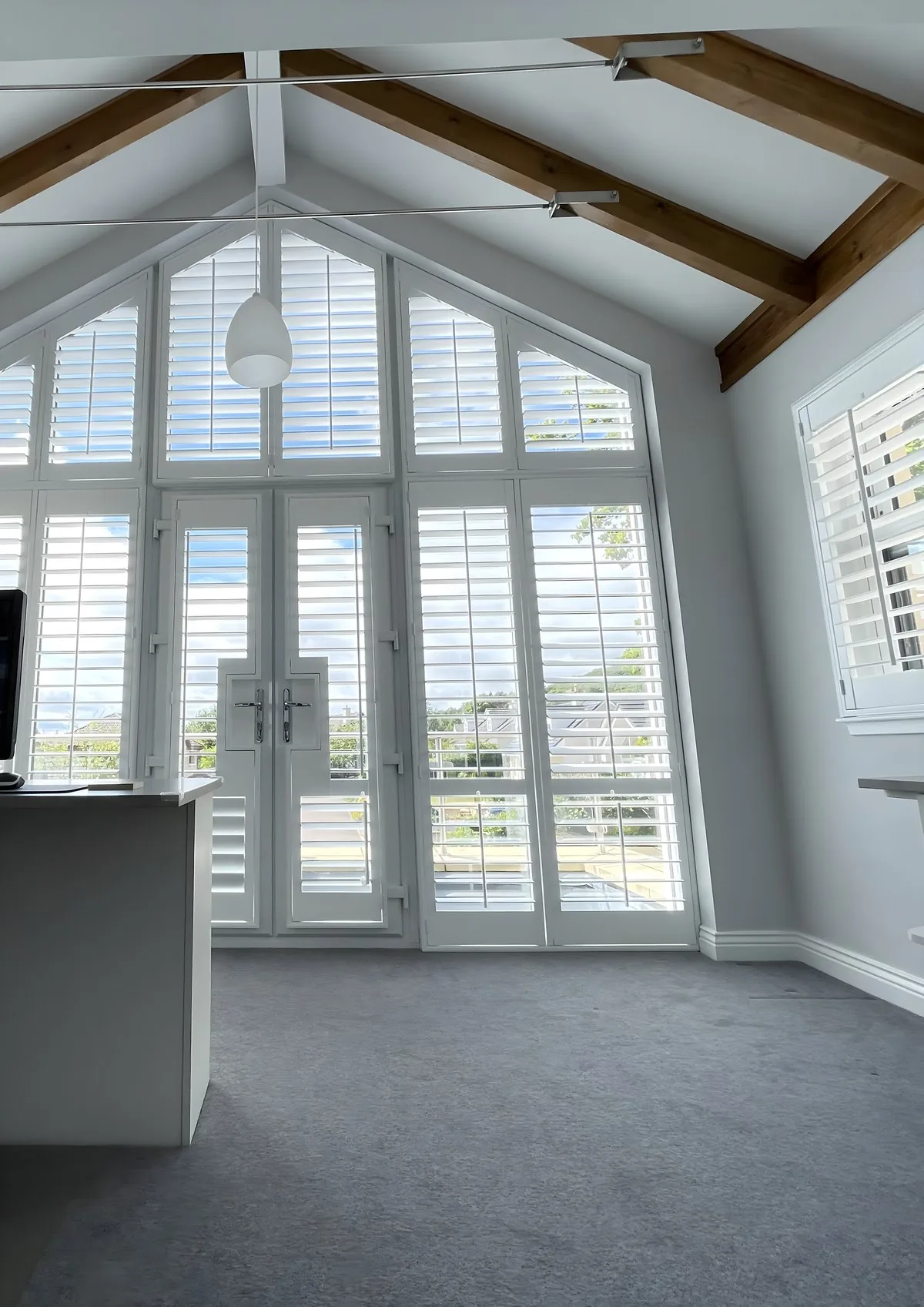
Arched windows. Gable ends three storeys up. Circular porthole windows in listed buildings. These are the projects we love, and the ones that set us apart.
When other companies say it cannot be done, that is usually when our phone rings. We have been solving difficult window challenges across Scotland for 39 years, and every one of them has taught us something new.


The Difference
More than just window dressing
Quality shutters and blinds do far more than look beautiful. They transform how your home feels, functions, and performs.
Heat & Sound Insulation
Shutters create an insulating barrier that keeps warmth in during winter and heat out in summer. Cellular blinds trap air in honeycomb cells, reducing energy bills and outside noise.
Privacy & Light Control
Adjustable louvres let you control exactly how much light enters each room. Tilt for privacy while maintaining ventilation and natural light. No compromise between openness and seclusion.
Style & Value
Shutters are a permanent home improvement that adds value to your property. Available in a wide range of materials, colours, and styles to complement any interior, from contemporary to traditional.
Our Five Year 'Perfect Fit' Promise
When you choose our family run business, you get the highest quality workmanship and a long lasting shutter or blind solution designed perfectly for you.
Accurately Measured
Precision survey by our trained specialists
Meticulously Fitted
Expert installation by our own team
Guaranteed for 5 Years
If you have a problem, we solve it
Award Winners 2026
Recognised by the BBSA
The British Blind and Shutter Association recognised The Scottish Shutter Company with three national awards in 2026.
 Best Shutter Installation
  Best Independent Showroom
  Best Marketing Programme
 Customer Reviews
What our customers say
We are proud that so many of our customers come from personal recommendations. Here is what a few of them have to say.
Choosing the right company
“Honest. Such a breath of fresh air.”
“Can I just say what a fantastic company to deal with so far, honest such a breath of fresh air. We had quotes from three other companies and none of them came close to explaining things the way you did. No pressure, no gimmicks, just clear information and time to think. We knew straight away this was the right choice.”
April Ritchie
Installation day
“The house was left spotless.”
“The guys arrived well within the scheduled time. Extremely polite and professional from start to finish. They took care with everything, covered the floors and furniture, and following the installation, the house was left spotless. We had been nervous about the disruption but there was nothing to worry about. The whole job was done in a day and the shutters look incredible.”
Bill Scott
Worth the investment
“The best purchase I have made.”
“I'm delighted with my shutters, and they have been the best purchase I have made. Your customer service was second to none. I did a lot of research before committing and the transparent pricing on your website gave me confidence that I was getting a fair deal. Three years on, they still look as good as the day they were fitted.”
John Shaw
Glasgow
The SSC Difference
Why choose us
We are not salespeople. We are specialists who educate you on the options, then let you decide.
BBSA Qualified
British Blind and Shutter Association members. Our Technical Director, David D'Ambrosio, is BBSA Immediate Past President.
Our Own Fitters
No subcontractors, ever. Our own trained installation team handles every project from survey to completion. You deal with us throughout.
Transparent Pricing
No hidden costs, no pressure. The price we quote is the price you pay. We provide detailed quotations so you know exactly what you are getting.
Design Studios
Visit our Design Studios in Dundee and Edinburgh to see shutters and blinds in person. Or we come to you for a home consultation.
Simple Process
How it works
From first enquiry to finished installation, we make the process straightforward.
Get in Touch
Send us your window sizes for a quick estimate, visit one of our Design Studios, or book a home consultation. However you prefer to start, we will guide you from there.
Detailed Quotation
You receive a professional quotation with exact specifications and a fixed price. No hidden costs. No pressure. Take your time to decide.
Expert Installation
Our trained fitters install your shutters or blinds with care and precision. We leave your home clean and tidy, removing all packaging.
Visit Us
Our Design Studios
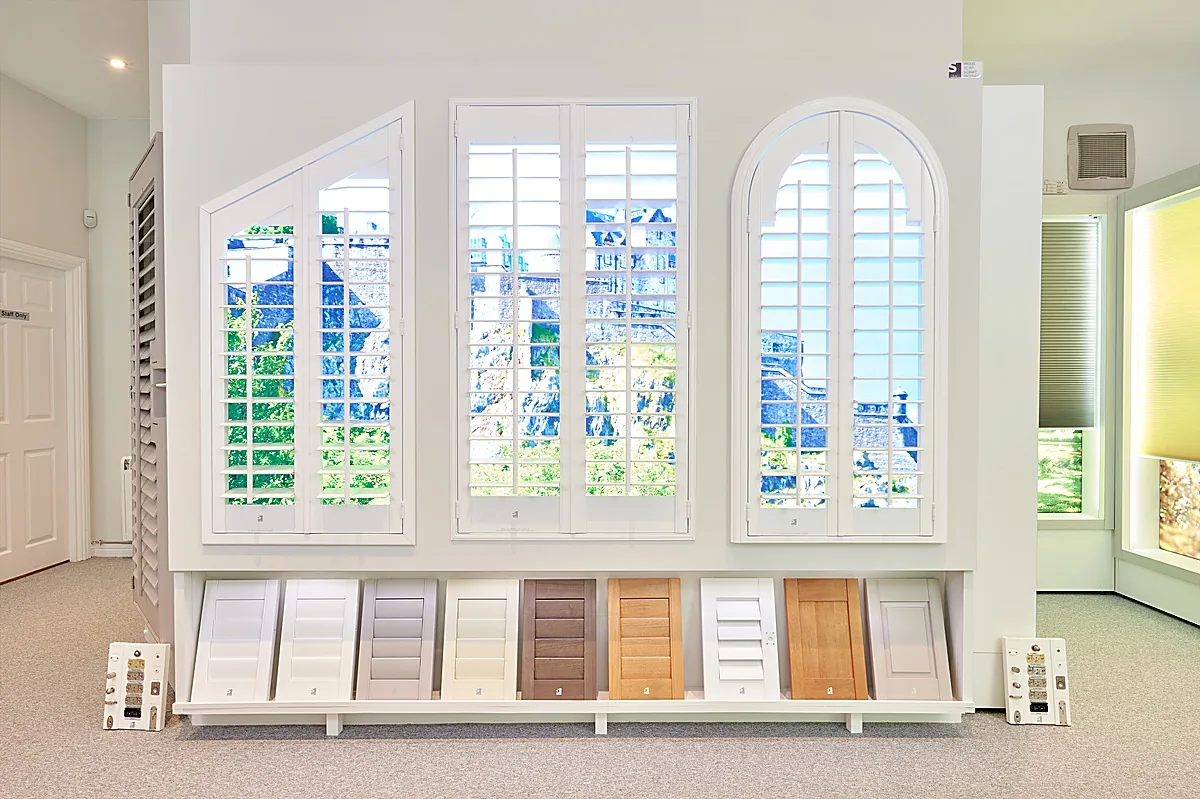
See and feel the products before you buy. Our Design Studios in Dundee and Edinburgh have full size displays of shutters, blinds, and awnings so you can experience the quality first hand.
Book an appointment and our specialists will guide you through the options, help you choose the right product for your home, and provide an accurate quotation on the spot.
Dundee
By appointment
Edinburgh
By appointment
Where We Work
Covering all of Scotland
From our Design Studios in Dundee and Edinburgh, we cover the whole of Scotland. Home consultations throughout the central belt, Highlands, and beyond.
Start with our brochure
52 pages of ideas, product details, and real installations from homes across Scotland. Request your copy and take the first step.